Devanagari
The script of Hindi, Marathi, Nepali and Sanskrit, recognisable by its horizontal bar.
1In brief
The script of Hindi, Marathi, Nepali and Sanskrit, recognisable by its horizontal bar.
Type: Abugida — Each sign is a consonant with a built-in vowel, changed by small marks. Understand types of scripts.
2History
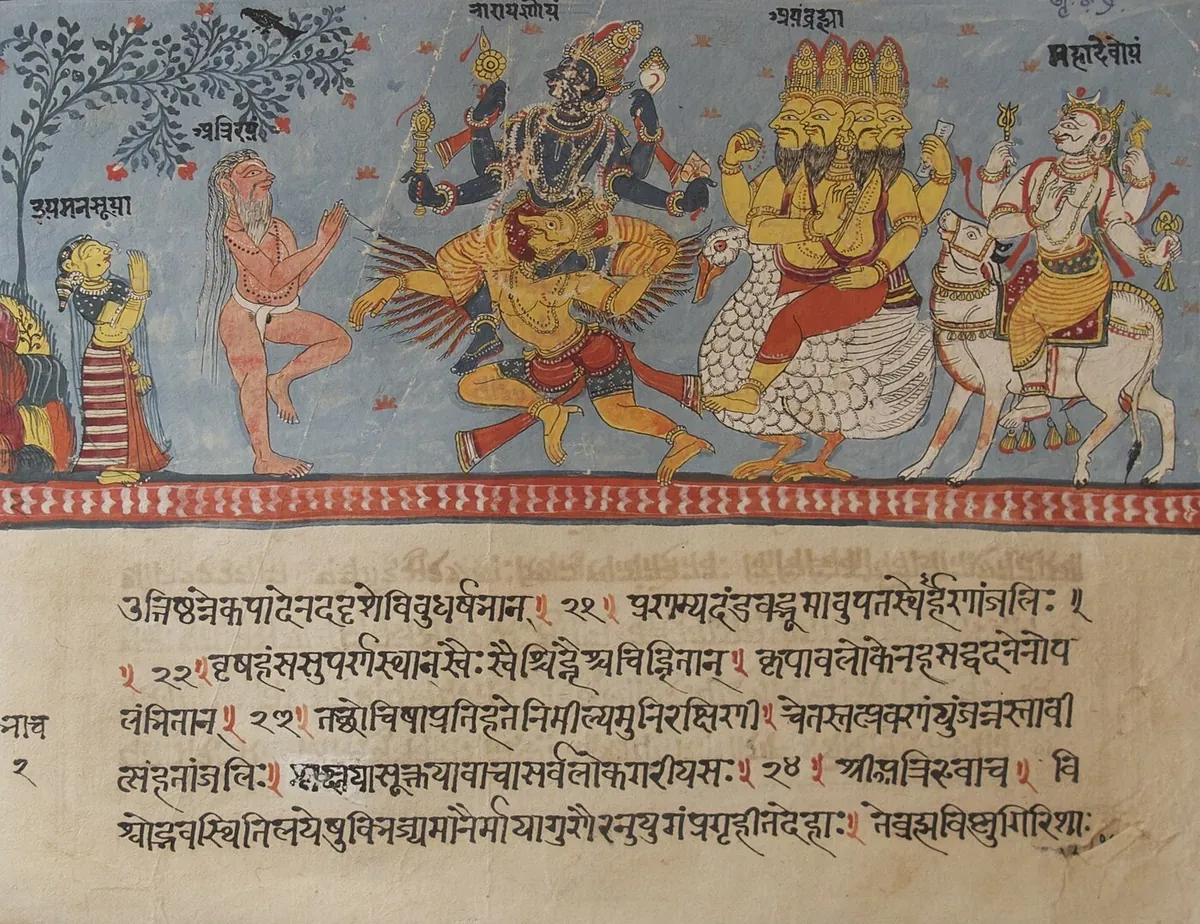
Devanagari took shape around the 10th century from scripts descended from Brahmi. Letters “hang” from a horizontal line drawn along the top, which joins the letters of a word. As in every abugida, each consonant is read with an “a”; a stroke or loop placed before, after, above or below changes the vowel.
When two consonants follow each other with no vowel, they merge into a ligature. Devanagari is used for more than 120 languages; it is the script of Hindi, one of the most widely spoken languages in the world.
3A word to see
4For real
5Lineage
It descends from
It gave rise to
6Did you know?
- The letter order is phonetic: sounds are arranged by where they are made in the mouth, from the throat to the lips.
- The name “Devanagari” is often translated as “script of the city of the gods”.